
Imagine waking up, not knowing where you are…Imagine waking up and not knowing
where you are…
A stranger comes in and starts undressing you. You resist. Maybe you shout, maybe you hit.
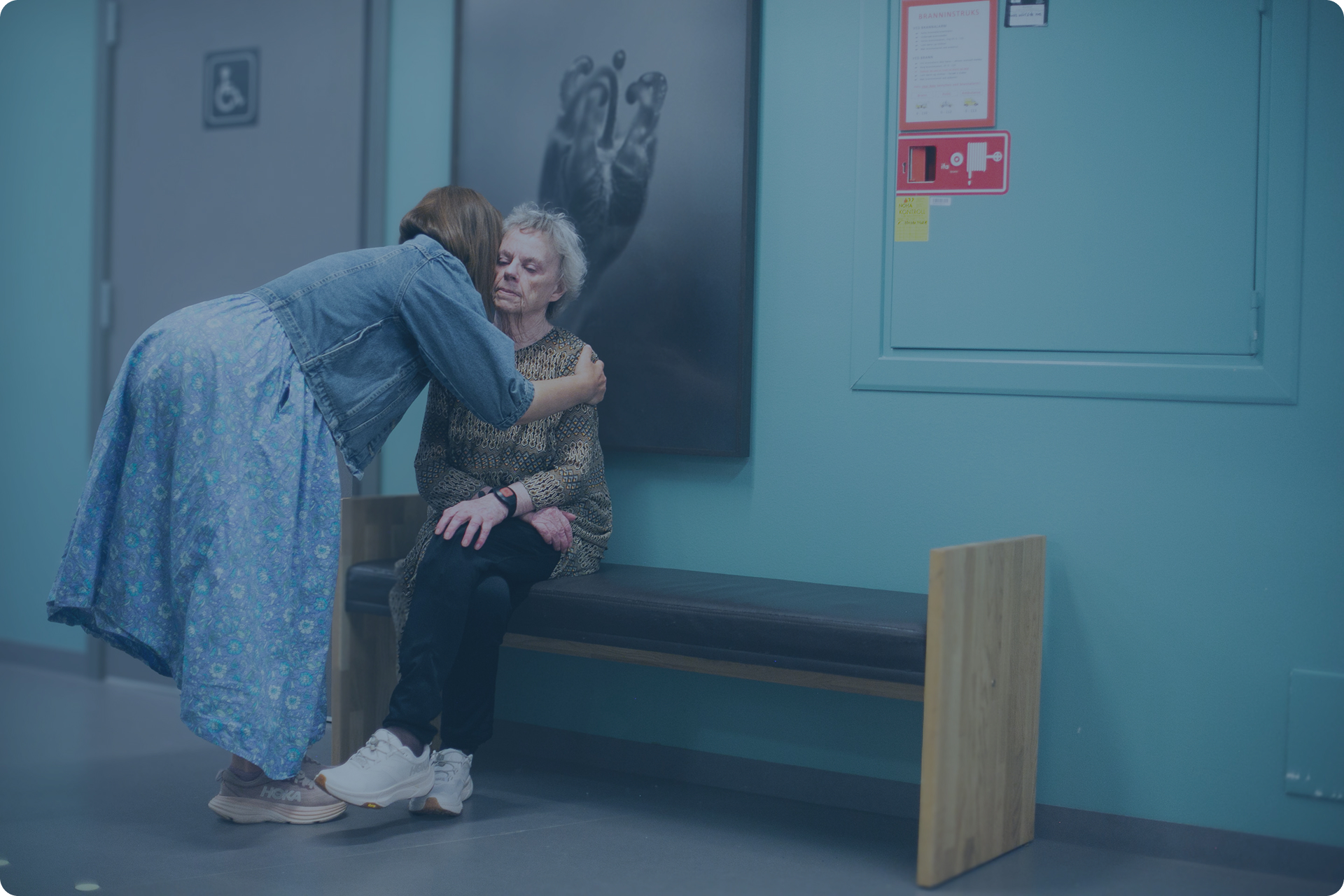
Marianne’s mother started
her days like this,

A stranger comes in and starts undressing you. You resist. Maybe you shout, maybe you hit.
Marianne’s mother started
her days like this,
When memories become difficult to access, familiar music can remain connected to people, places and moments from a person’s life.
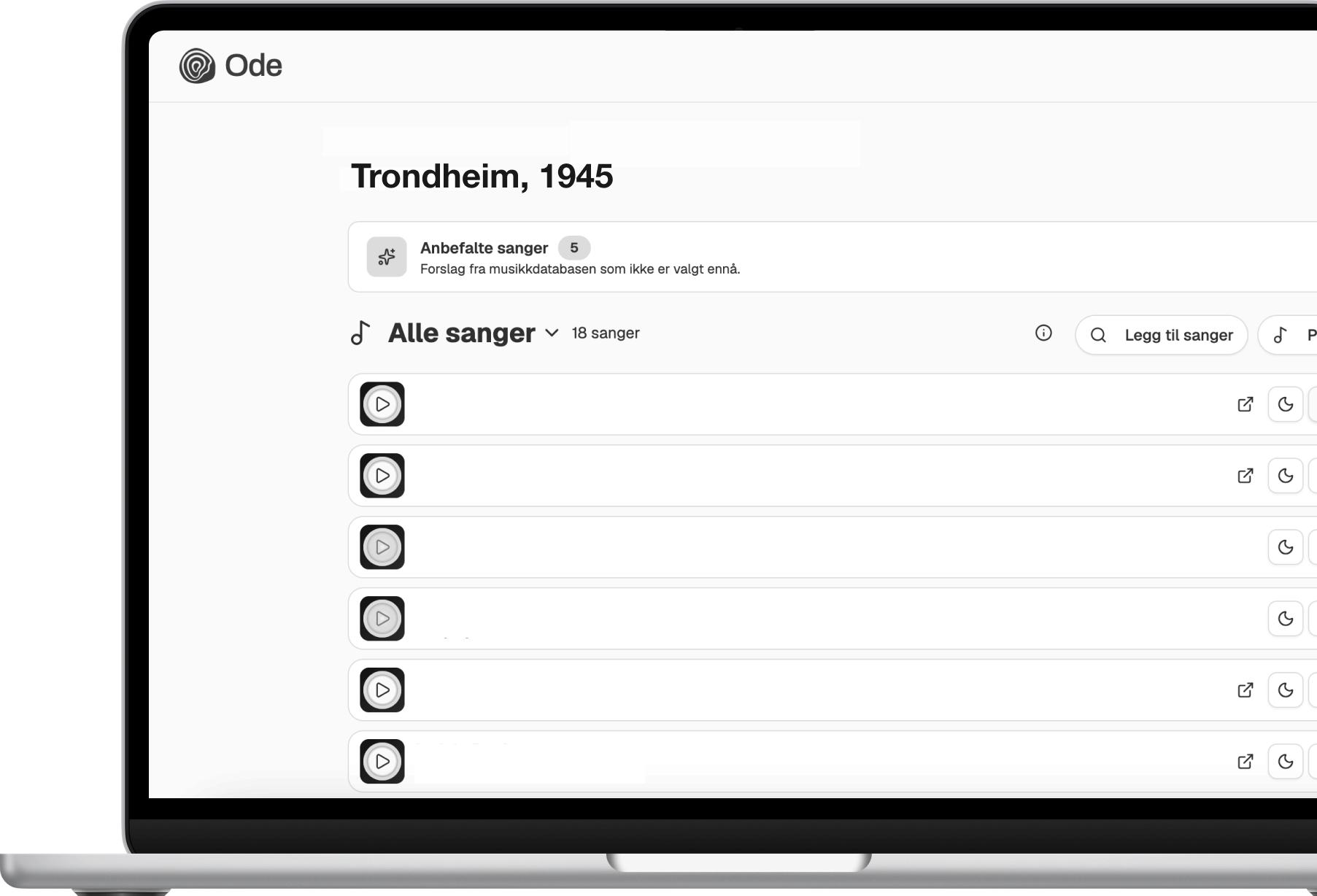
For Marianne and her mother, bringing familiar songs into care changed their routines and visits.






Music engages multiple areas of the brain, including those involved in hearing, emotion, attention and memory. Research suggests that music-based interventions can support aspects of wellbeing and behaviour of people living with dementia.
WHO, ARTS & HEALTH, 2019 →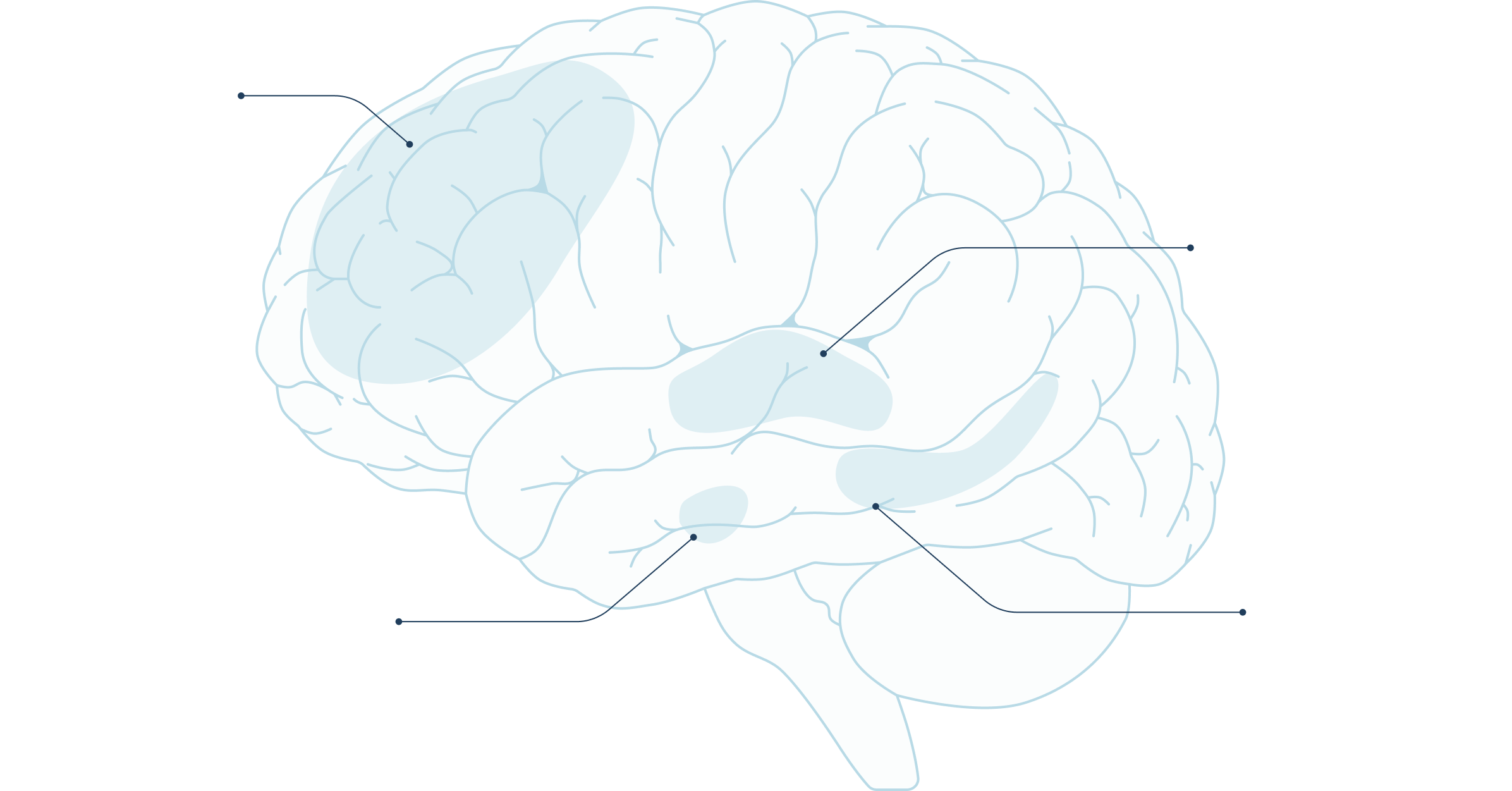
Prefrontal Cortex
Auditory Cortex
Hippocampus
Amygdala
Prefrontal CortexInvolved in attention, prediction and interpretation of music.
Auditory CortexProcesses sound, rhythm and musical features.
HippocampusInvolved in memory and contextual associations.
AmygdalaInvolved in emotional response to music.
And increasingly, research points to something important: the music that is personally meaningful may have a unique effect on dementia.
What the research tells us
Bring personalised music into your
dementia care
environment.
Pilot institutions with Ode